
Managing Separation Anxiety in Dogs
Practical strategies to help your dog feel secure when left alone.
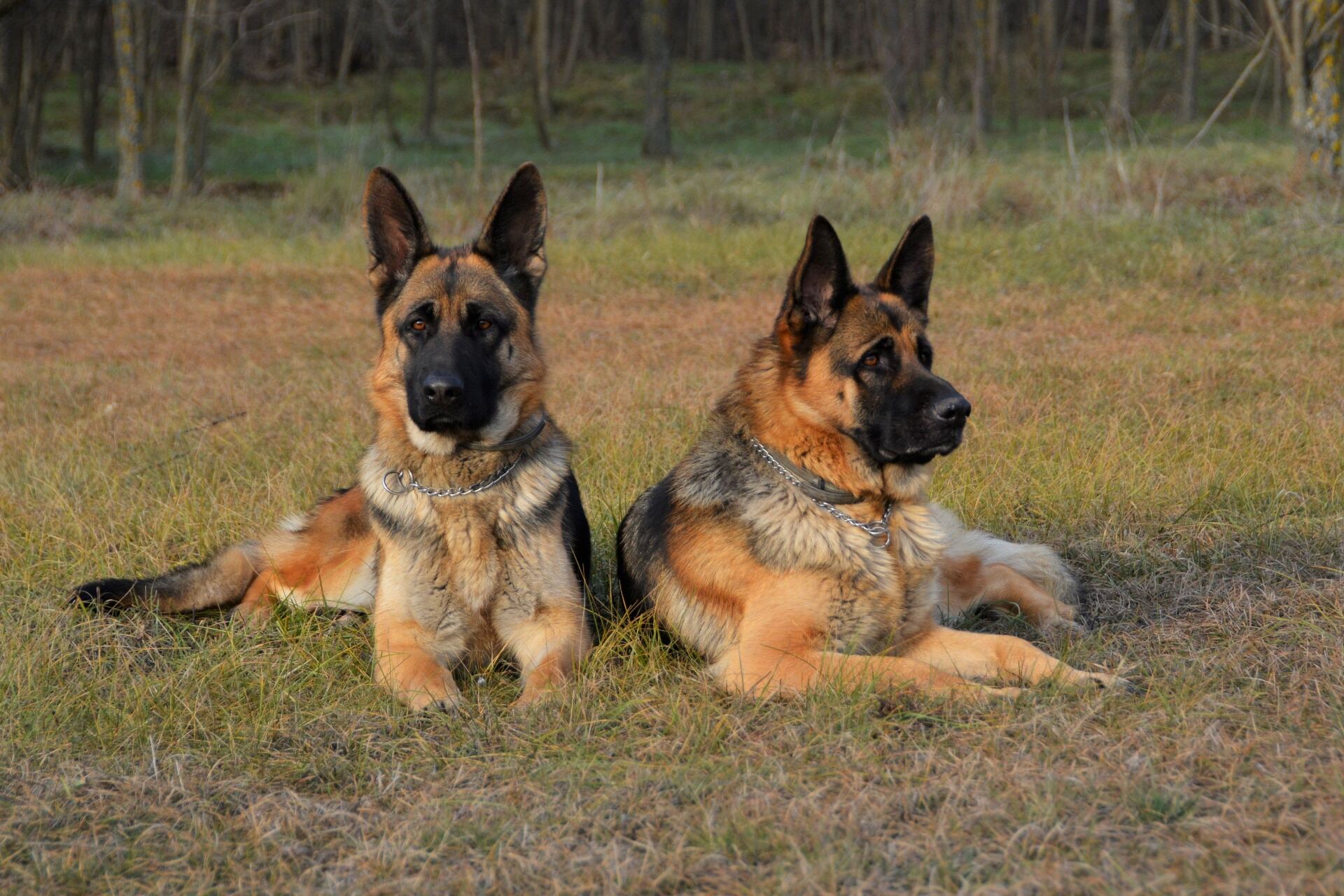
Separation anxiety is a serious behavioral condition where dogs experience panic when separated from their owners. Signs include destructive behavior, excessive barking, house soiling, and attempts to escape. Understanding this isn't spite or disobedience - it's genuine distress - is crucial for effective treatment.
Start by making departures and arrivals low-key. Don't make a big fuss when leaving or returning home. This helps your dog understand that your comings and goings are normal, everyday events. Practice short absences initially, gradually building up duration as your dog becomes more comfortable.
Create positive associations with your departure cues. If your dog panics when you grab your keys, practice picking them up repeatedly without leaving. Give your keys to the couch, not the door. This desensitizes your dog to these triggers.
Provide mental stimulation before leaving. A tired dog is a calmer dog. A 30-minute walk or play session before departure can significantly reduce anxiety. Leave puzzle toys stuffed with treats to keep your dog occupied during your absence.
Consider using calming aids like pheromone diffusers, anxiety wraps, or calming music designed for dogs. In severe cases, consult with a veterinary behaviorist who may recommend anti-anxiety medication alongside behavior modification.
Remember, severe separation anxiety requires professional help. Don't struggle alone - qualified trainers and veterinary behaviorists can create customized treatment plans for your dog.