The Three Breeds We Actively Place
These are the breeds we breed, train and place for protection work — every one with proven working bloodlines and decades of operational use behind them.
- Belgian Malinois — the modern global standard for elite protection. Faster engagement, sharper recovery, more demanding to live with. Read full profile.
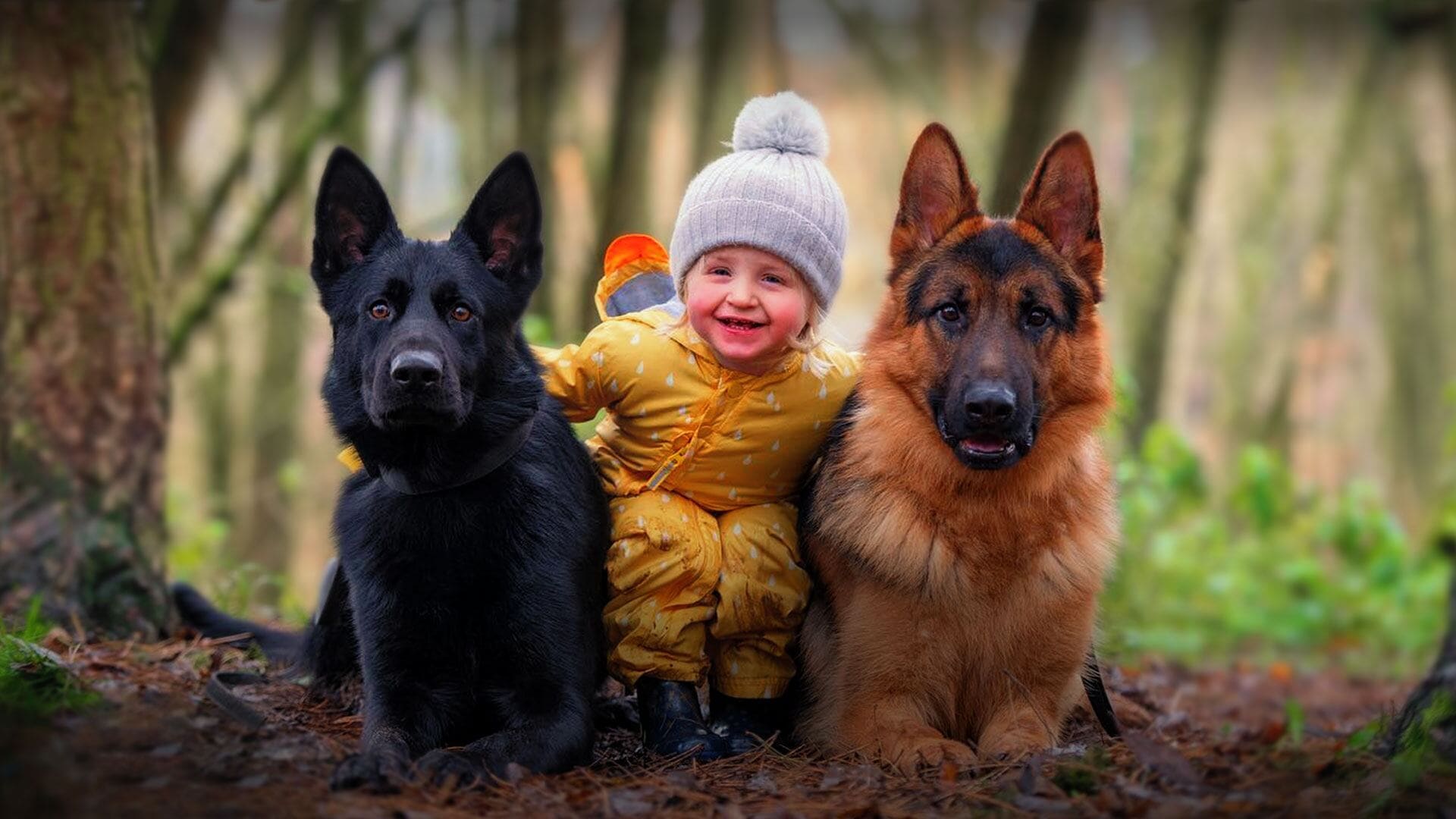
- DDR / East German Shepherd — heavier bone, harder nerve, naturally civil. The closest thing to an old-school protection shepherd available in Australia. Read full profile.
- West German Working Line Shepherd — the most balanced choice. Family-suitable, biddable, exceptional protection ability. Read full profile.
Other Capable Protection Breeds
- Rottweiler — naturally protective and physically imposing. Slower than the working shepherds and Malinois; requires careful socialisation.
- Doberman — fast, intelligent, naturally protective. Working-line Dobermans are increasingly rare in Australia; show-line Dobermans typically lack the nerve for serious work.
- Cane Corso — tremendous physical presence and natural guarding instinct. Slower learners than shepherds; less suitable for sport-style protection training.
- Bouvier des Flandres — capable but rare. Requires significant grooming and very experienced ownership.
Breeds We Don't Place for Protection
Honesty matters here — these breeds are sometimes marketed for protection but in our experience are the wrong tool for the job:
- American Staffordshire Terriers / Bull breeds — bred for dog-dog confrontation, not human-threat assessment. Wrong genetics for the work.
- Show-line German Shepherds — temperament unpredictability and structural issues rule them out.
- Akitas / Tosa Inu — capable physically, but the natural civil drive is hard to channel safely in suburban Australia.
- Mixed breeds marketed as "protection mixes" — without verifiable working bloodlines, you're rolling the dice.
Genetics Are Only Half the Equation
A good protection prospect is born. A good protection dog is made. Every dog we place into a protection home goes through:
- A full obedience foundation — control before bite work.
- Structured protection training with a qualified decoy.
- Ongoing handler instruction — because a protection dog is only as good as its handler.
We do not sell "trained protection dogs" to anyone who hasn't completed the handler training themselves. That is the line between a working dog and a liability.
How to Choose
Tell us about your home, your family, your lifestyle and the threat profile you're trying to address. We'll recommend honestly — and sometimes we'll tell you that you don't need a protection dog at all, just a well-trained family shepherd.