
How Breeds Split into Working and Show
Most working breeds were originally bred for a job — herding, retrieving, guarding, hunting. Once kennel clubs introduced conformation shows in the late 1800s, breeders began splitting along two paths: those who continued breeding for working ability, and those who bred for the visual standard rewarded in the show ring.
Decades later, the two populations look and behave like different breeds.
Structural Differences
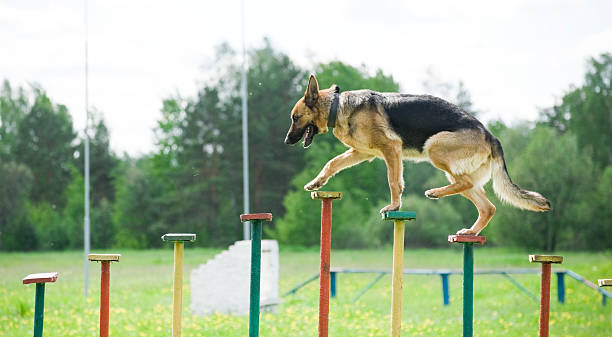
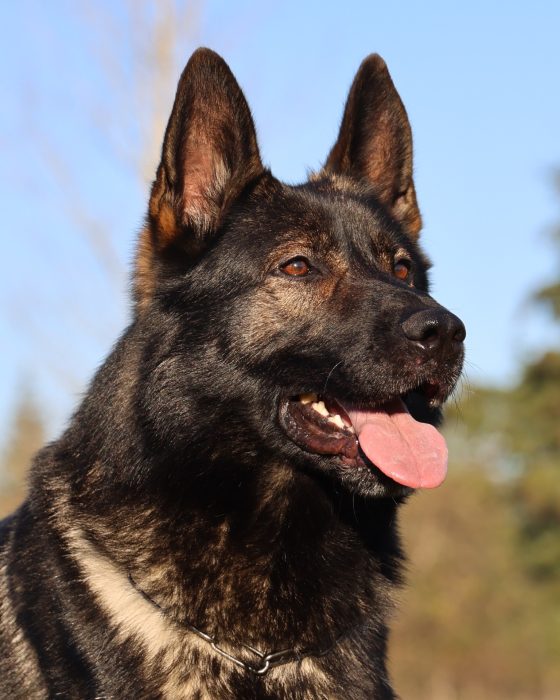
- German Shepherd: show lines have developed a pronounced sloping topline and exaggerated rear angulation, often associated with hip and mobility problems. Working lines retain a level back and natural angulation.
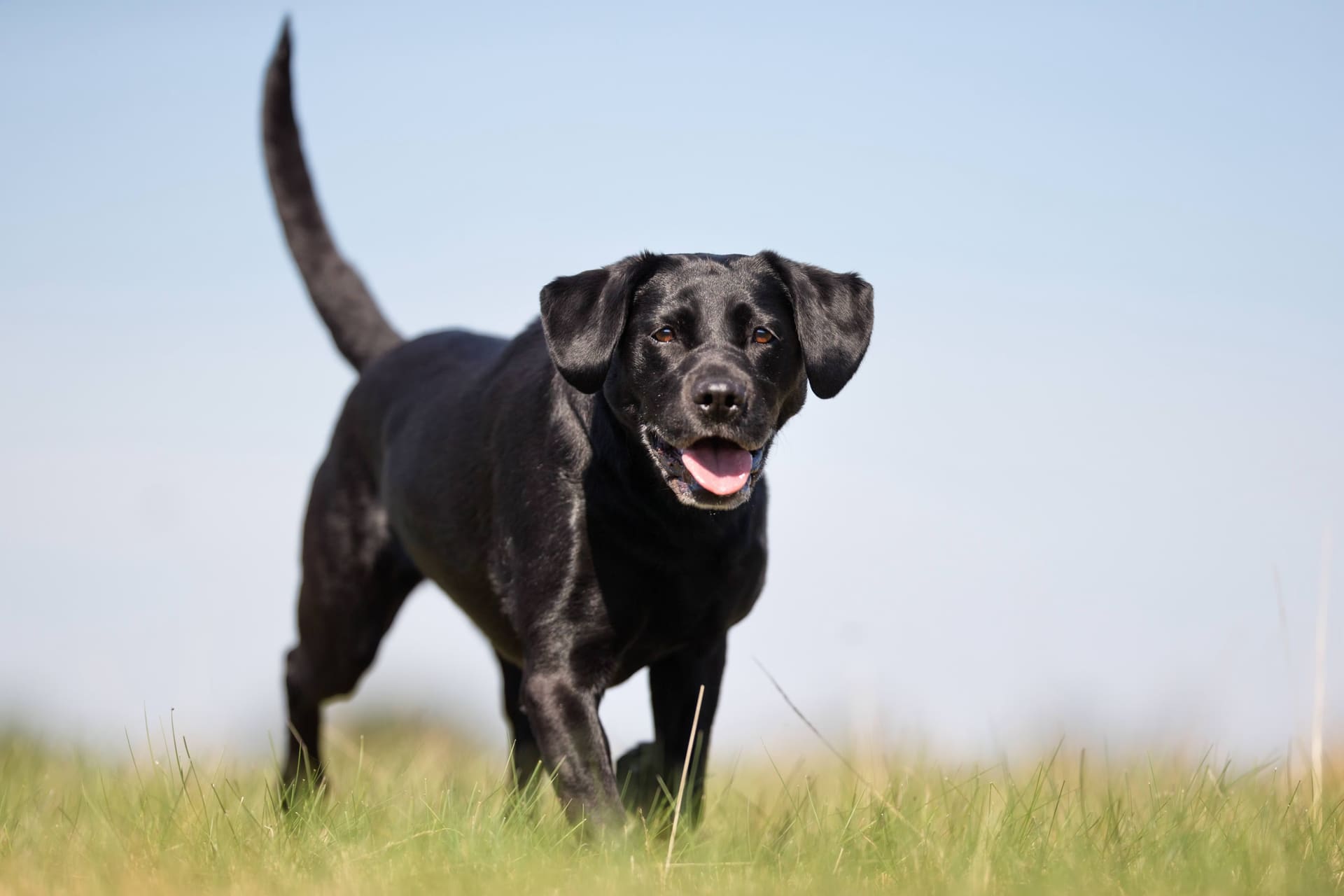
- Labrador: show / bench lines are heavy-set, blocky and often prone to obesity. Working / field lines are lean, athletic and built for stamina.
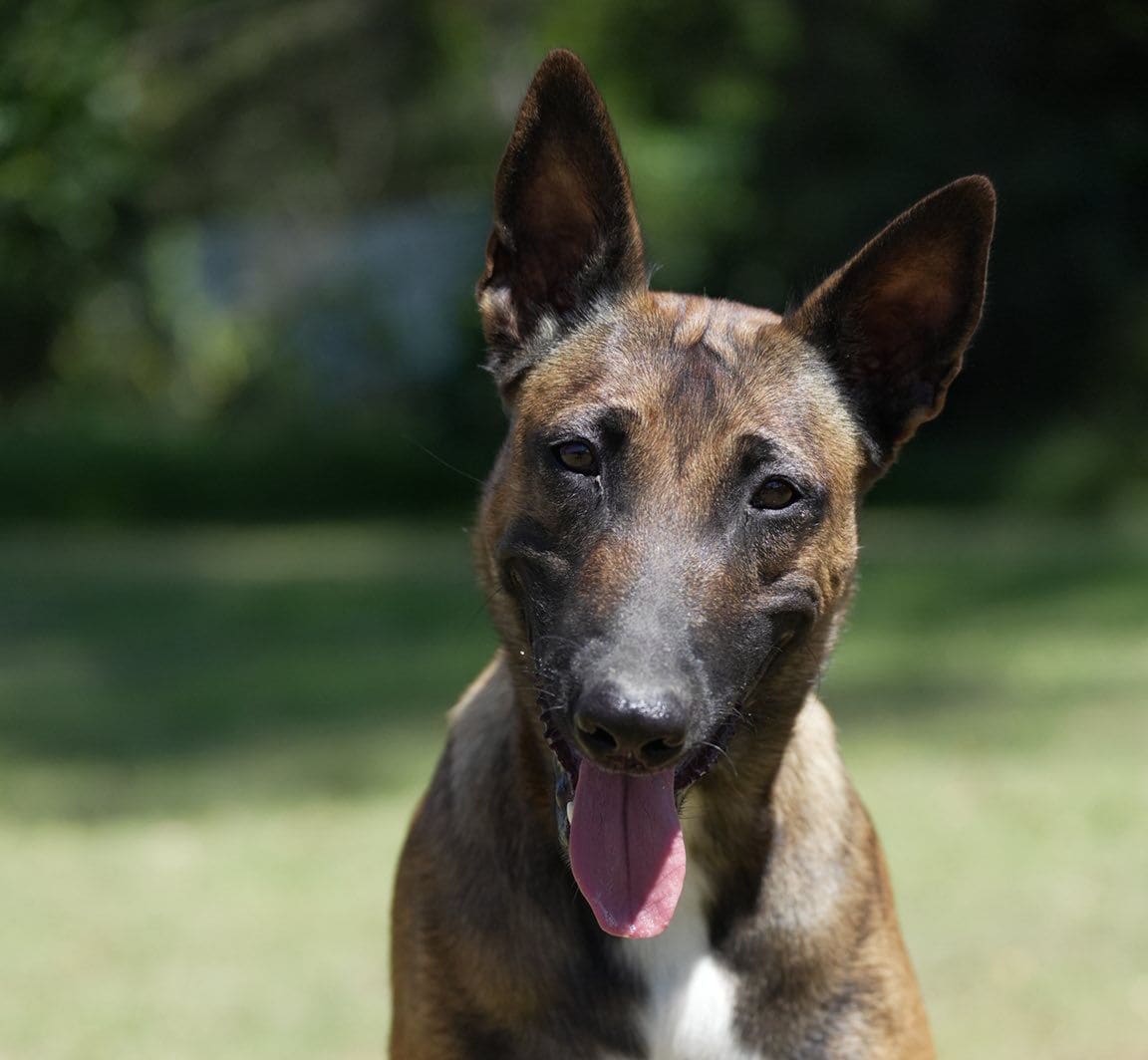
- Belgian Malinois: the breed largely escaped the split — almost all Malinois are working dogs.
Temperament Differences
Working lines are selected for drive, nerve and trainability. Show lines are selected for visual standard — temperament is often a secondary consideration. The result: working dogs require more handler engagement but typically have more stable, predictable temperaments than their show-bred counterparts.
- Working lines: clearer drives, predictable nerve, faster training response.
- Show lines: lower energy, often higher anxiety, less environmental confidence.
Health Outcomes
Working-line breeders historically test more rigorously because their dogs need to perform — hips, elbows, cardiac, ophthalmic and DNA panels are non-negotiable. Show breeders test variably depending on their kennel club.
Hip and elbow scores in working German Shepherds are typically dramatically better than in show lines. The same is true of working Labradors versus bench Labradors.
Which Line Suits Your Home?
Choose working line if:
- You want a dog that can train, work or compete at a high level.
- You can commit to 60+ minutes of structured engagement daily.
- You value health, structure and longevity over appearance.
Choose show line if:
- You want a quieter pet that may not require as much structured work.
- You're prepared to manage potential structural and temperament issues.
- You're showing competitively in conformation.
Every dog we breed is from working bloodlines — by design.
 German Shepherds
 Belgian Malinois
 Labrador Retrievers